Floor Speech2025-01-28
INTRODUCTION OF THE DISTRICT OF COLUMBIA CODE RETURNING CITIZENS COORDINATION ACT
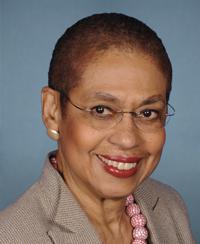
Eleanor Holmes Norton
DDC · Representative
Full Text
INTRODUCTION OF THE DISTRICT OF COLUMBIA CODE RETURNING CITIZENS COORDINATION ACT

Congressional Record, Volume 171 Issue 18 (Tuesday, January 28, 2025) [Congressional Record Volume 171, Number 18 (Tuesday, January 28, 2025)] [Extensions of Remarks] [Pages E73-E74] From the Congressional Record Online through the Government Publishing Office [ www.gpo.gov ] INTRODUCTION OF THE DISTRICT OF COLUMBIA CODE RETURNING CITIZENS COORDINATION ACT ______ HON. ELEANOR HOLMES NORTON of the district of columbia in the house of representatives Tuesday, January 28, 2025 Ms. NORTON. Mr. Speaker, today, I introduce the District of Columbia Code Returning Citizens Coordination Act, which would require the Federal Bureau of Prisons (BOP) to provide information to the District of Columbia on individuals convicted of felonies under D.C. law in BOP custody. Currently, BOP provides no information to D.C. on these individuals, even immediately before release, which inhibits reentry, increases recidivism and harms public safety. In the 117th Congress, the Committee on Oversight and Reform passed this bill. Federal law requires BOP to incarcerate individuals convicted of felonies under D.C. law. As of December 29, 2023, there were 3,200 such individuals in BOP custody, and they are in BOP facilities throughout the United States. This unique custody arrangement creates several obstacles to successful reentry, including information sharing among agencies. BOP asserts that federal privacy laws prohibit it from providing any information to D.C. on these individuals, which prevents D.C. from having services ready for them when they return from prison. Yet, studies consistently show the importance of health care, housing, education, job training and substance use disorder treatment for successful reentry. This bill would require BOP to provide D.C. two types of information on individuals convicted of a D.C. Code felony in BOP custody. [[Page E74]] Every 90 days, BOP would provide the name, age, Federal Register Number, facility where housed and the scheduled release date. Upon D.C.'s request, BOP would provide D.C. the same information that BOP provides to the Court Services and Offender Supervision Agency for the District of Columbia (CSOSA) on these individuals, such as their release plan. CSOSA is a federal agency that provides community supervision for individuals convicted of D.C. crimes. D.C. would be allowed to provide the biographical information only to counsel for the individuals, and to organizations that provide legal representation to individuals in criminal or post-conviction matters, or in matters related to reentry. D.C. would not be allowed to provide any of the other information, and D.C. law enforcement agencies would not have access to any of the information. The overwhelming majority of people in prison return home. I hope all my colleagues agree on the importance of successful reentry. I urge my colleagues to support this bill. ____________________