Floor Speech2025-01-16
INTRODUCTION OF THE YOUNG AMERICANS FINANCIAL LITERACY ACT
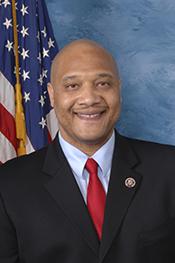
André Carson
DIN-7 · Representative
Full Text
INTRODUCTION OF THE YOUNG AMERICANS FINANCIAL LITERACY ACT

Congressional Record, Volume 171 Issue 9 (Thursday, January 16, 2025) [Congressional Record Volume 171, Number 9 (Thursday, January 16, 2025)] [Extensions of Remarks] [Page E40] From the Congressional Record Online through the Government Publishing Office [ www.gpo.gov ] INTRODUCTION OF THE YOUNG AMERICANS FINANCIAL LITERACY ACT ______ HON. ANDRE CARSON of indiana in the house of representatives Thursday, January 16, 2025 Mr. CARSON. Mr. Speaker, today I am pleased to re-introduce the Young Americans Financial Literacy Act. Financial literacy is critical to ensuring future financial responsibility. According to the Council for Economic Education's 2024 Survey of the States, 35 states now require high school students to take a personal finance course to graduate, an increase of 12 states since 2022. Congress has an opportunity and a responsibility to address the pressing needs of individuals faced with losing their financial stability and the challenges of economic uncertainty. This should include financial literacy education reform and long-term solutions to prevent future personal financial disasters. Research-based financial literacy education programs are needed to reach individuals at all ages and socioeconomic levels, particularly those facing unique and challenging financial situations, such as high school graduates entering the workforce, soon-to-be and recent college graduates, young families, and to address the unique needs of military personnel and their families. High school and college students exposed to cumulative financial education show an increase in financial knowledge, which drives increasingly responsible behavior as they become young adults. According to the Government Accountability Office, giving Americans the information they need to make effective financial decisions can be critical to their well-being and the country's economic health. The global financial crisis, when many borrowers failed to understand the risks associated with certain financial products fully and currently, the economic hardships presented by the sudden disruptions caused by the spread of COVID-19, underscore the need to improve individuals' financial literacy and empower all Americans to make informed financial decisions. This is especially true for young people as they earn their first paychecks, secure student aid, and establish financial independence. Therefore, focusing on economic education, financial literacy efforts, and best practices for young people between the ages of 8 and 24 is of utmost importance. America should lead the world with the best-educated students who will drive our economic innovation and success, so please join me in cosponsoring the Young Americans Financial Literacy Act. This act: Establishes a grant program in the Bureau of Consumer Financial Protection to develop and implement financial literacy programs for young people ages 8 to 24; Incentivizes the development of partnerships between institutions of higher education, local educational agencies, non-profit organizations, and financial institutions to develop programs aimed at young Americans in different phases of their life; Ensures the development of evidence-based instructional material that is geared towards targeted groups and addresses unique life situations, including bankruptcy, foreclosure, student loans, credit card misuse; and Conducts ongoing assessment and accountability of the program over the short- and long-term to ensure that grant money achieves the most significant impact. I urge all of my colleagues to join me in supporting the Young Americans Financial Literacy Act. ____________________