Floor Speech2025-02-25
COMMEMORATING THE HOLIDAY BOWL
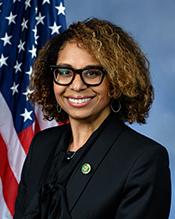
Sydney Kamlager-Dove
DCA-37 · Representative
Full Text
COMMEMORATING THE HOLIDAY BOWL

Congressional Record, Volume 171 Issue 37 (Tuesday, February 25, 2025) [Congressional Record Volume 171, Number 37 (Tuesday, February 25, 2025)] [House] [Page H827] From the Congressional Record Online through the Government Publishing Office [ www.gpo.gov ] COMMEMORATING THE HOLIDAY BOWL (Ms. KAMLAGER-DOVE asked and was given permission to address the House for 1 minute.) Ms. KAMLAGER-DOVE. Mr. Speaker, there is a longstanding allyship between the Black and Asian communities in L.A. exemplified by the Holiday Bowl, once located in the heart of my district. Founded by five Japanese Americans in 1957, the Holiday Bowl served everyone but had a particularly significant impact on the growing Black community in the historic Crenshaw Corridor. Both the Japanese and Black communities in L.A. were targets of redlining and racial discrimination from the government and banks, which left them with few places to settle. While Japanese Americans worked to recover from the unjust internment camps and postwar discrimination, Black Americans continued to fight against racial segregation and voter suppression. The Holiday Bowl provided a space to come together as Angelenos, offering residents of Crenshaw a safe space for entertainment, healing, and protection. This solidarity was tested during the 1992 L.A. riots, which erupted following the horrific beating and arrest of Rodney King. At a time when racial tensions dominated our city, and much of South Central was engulfed in flames, the Holiday Bowl stood as a beacon of light amid the destruction. Not only did the Holiday Bowl emerge unscathed from the riots, but people actually gathered to bowl on the night the riots broke out. Although the bowling alley closed in 2000 and was eventually demolished, its impact on our South L.A. community will be felt for decades to come. ____________________