Press Release2024-11-07
Congressional Disaster Preparedness and Recovery Caucus Leaders Urges Congress to Pass Comprehensive Natural Disaster Funding Package
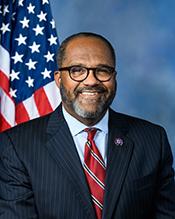
Troy A. Carter
DLA-2 · Representative
Full Text
Congressional Disaster Preparedness and Recovery Caucus Leaders Urges Congress to Pass Comprehensive Natural Disaster Funding Package <span>Congressional Disaster Preparedness and Recovery Caucus Leaders Urges Congress to Pass Comprehensive Natural Disaster Funding Package</span> <span><span>Sara.Severens@…</span></span> <span><time datetime="2024-11-07T13:29:20-05:00" title="Thursday, November 7, 2024 - 13:29">Thu, 11/07/2024 - 13:29</time> </span> <div class="evo-press-release__body"><p class="MsoNormal"><span><strong>WASHINGTON, D.C. </strong>– Today, Congressman Troy A. Carter, Sr. (D-LA) and Congressman Jared Moskowitz (D-FL) led a bipartisan letter to House and Senate Appropriations Committee leaders urging the swift passage of a robust and comprehensive disaster supplemental appropriations bill. Sixteen additional Members of Congress joined Reps. Carter and Moskowitz on this request. </span></p><p class="MsoNormal"><span>“Storms don’t discriminate, and it’s more important than ever that we work together to save lives and prepare our communities,” <strong>said Rep. Carter.</strong> “Americans deserve a government that prioritizes disaster response funding and ensures we aren’t only responding to current storms, but actively rebuilding from past events and mitigating future disasters. We owe it to Louisianians to pass a real budget, not a 90-day half-measure.”</span></p><p class="MsoNormal"><span>“As the former Emergency Management Director for Florida, I believe that the financial state of FEMA’s Disaster Relief Fund is incredibly troubling,” <strong>said Rep. Moskowitz.</strong> “This is the second year that Congress has let the Disaster Relief Fund be depleted. I introduced H.R. 8716 in June to avoid this scenario, but Congress has unfortunately become far too reactive instead of proactive. We must demonstrate to the American people that our government still works and can carry out basic functions like helping those impacted by disaster recover in their hour of greatest need. Emergency management shouldn’t ever be politicized or used as a bargaining chip, and I’m thankful to be leading this letter with Congressman Carter and to have bipartisan support.”</span></p><p class="MsoNormal"><span>The Disaster Relief Fund (DRF) is the primary funding source for the Federal Emergency Management Agency’s (FEMA) disaster relief programs. It funds "Direct Disaster Programs," which are the Individual Assistance (IA), Public Assistance (PA), and the Hazard Mitigation Grant Program (HMGP) programs. On August 7<sup>th</sup>, FEMA announced that the DRF had become depleted and implemented Immediate Needs Funding (INF)—redirecting money from other programs to respond to the most urgent, lifesaving needs.</span></p><p class="MsoNormal"><span>This was FEMA's second time instituting INF in the past two years. Though the continuing resolution government funding bill replenished the DRF in late September, FEMA now anticipates that it may need to institute INF restrictions again before the end of the calendar year. While FEMA can still respond to immediate disasters, implementing INF will result in stalled payments for past disasters and grant awards, potential staff furloughs, and delays in future disaster planning measures. These delayed payments put communities at risk of future disasters by halting critical disaster planning and hazard mitigation construction projects. The agency projects a DRF deficit of over $6 billion by the end of FY 2024 without supplemental appropriations.</span></p><p class="MsoNormal"><span>Additionally, in October, the Small Business Administration (SBA) announced its disaster loan program ran out of funding, following increased demand from hurricanes Helene and Milton. The SBA has paused its disaster assistance loans to small businesses, homeowners, and renters until Congress approves more funding.</span></p><p class="MsoNormal"><span>“Congress must work together to address the pressing needs of communities across the nation that were devastated by recent natural disasters,” <strong>the Members wrote.</strong> “This is the second straight year FEMA's Disaster Relief Fund (DRF) was nearly depleted, causing FEMA to delay long-term recovery projects and planning. We must accept our new reality of the increasing frequency and severity of disasters and fully fund our disaster relief programs. A comprehensive disaster supplemental bill should provide essential funding to our most critical federal programs.”</span></p><p class="MsoNormal"><span>The Members call on Congress to pass a package funding a variety of crucial disaster preparedness and recovery programs across the federal government, including FEMA’s Disaster Relief Fund, Small Business Administration's disaster loan program, USDA’s disaster relief programs, HUD’s Community Development Block Grant for Disaster Recovery (CDBG-DR), and the U.S. Army Corps of Engineers' flood control efforts, among others.</span></p><p class="MsoNormal"><span>This letter was signed by Reps. Julia Brownley (D-CA), Donald Davis (D-NC), Debbie Dingell (D-MI), Lizzie Fletcher (D-TX), Maxwel