Floor Speech2026-03-05
KENT STATE UNIVERSITY AND BLACK HISTORY MONTH
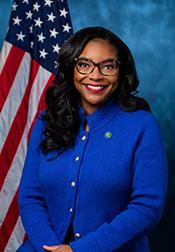
Emilia Strong Sykes
DOH-13 · Representative
Full Text
KENT STATE UNIVERSITY AND BLACK HISTORY MONTH

Congressional Record, Volume 172 Issue 42 (Thursday, March 5, 2026) [Congressional Record Volume 172, Number 42 (Thursday, March 5, 2026)] [House] [Page H2429] From the Congressional Record Online through the Government Publishing Office [ www.gpo.gov ] KENT STATE UNIVERSITY AND BLACK HISTORY MONTH (Mrs. Sykes of Ohio was recognized to address the House for 5 minutes.) Mrs. SYKES. Mr. Speaker, as we come off the observance of Black History Month, we are reminded of a story of courage, scholarship, and action that helped reshape how America understands its past. Black History Month began with the work of Carter G. Woodson, who believed that contributions of African Americans must be visible, taught, and celebrated. In 1926, he created Negro History Week to highlight Black achievement and make space in our Nation's story for those who are often ignored. It was at Kent State University, my alma mater, in 1969 and 1970, that students decided that 1 week was not enough. Black students and educators argued that history this rich and important deserved at least a full month. Students from the Black United Students Organization proposed expanding the observance into what we now know as Black History Month. In February 1970, Kent State became the first campus to celebrate a month-long event, 6 years before it became a national observance. As someone who attended Kent State and studied in Oscar Ritchie Hall, I know firsthand the power of students demanding more truth, more justice, and more inclusion. Their voices shaped one of many national movements showing how change can start with those who are willing to speak up. Although February has ended, the lessons of Black History Month do not end with it. History shapes our identity as a nation: good, bad, and everything in between. When we know the struggles and triumphs of those who came before us, we understand our collective journey toward justice. Black history is American history, and leaving any part out makes our story incomplete. The close of Black History Month is not a conclusion. It is a continuation. It is a reminder to confront inequities in education, economic opportunity, healthcare, voting rights, and justice. True justice requires more than just recognition. It requires change. It requires action. Even as the calendar turns, the call remains the same: lift every voice, celebrate achievements, confront injustice, and teach future generations a history and the need for diversity, equity, inclusion, and unity. As we reflect on Black History Month here on the House floor, I ask all of my colleagues to recommit to these principles. When we expand the story of our history, we expand the promise of our future. ____________________