Floor Speech2026-03-19
CELEBRATING BRAIN AWARENESS WEEK
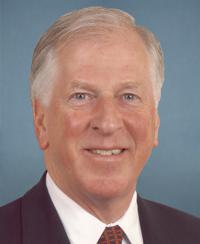
Mike Thompson
DCA-4 · Representative
Full Text
CELEBRATING BRAIN AWARENESS WEEK

Congressional Record, Volume 172 Issue 50 (Thursday, March 19, 2026) [Congressional Record Volume 172, Number 50 (Thursday, March 19, 2026)] [Extensions of Remarks] [Pages E242-E243] From the Congressional Record Online through the Government Publishing Office [ www.gpo.gov ] CELEBRATING BRAIN AWARENESS WEEK ______ HON. MIKE THOMPSON of california in the house of representatives Thursday, March 19, 2026 Mr. THOMPSON of California. Mr. Speaker, I rise to celebrate March 16th through March 20th as Brain Awareness Week. [[Page E243]] The Brain Awareness Campaign is a worldwide celebration of the brain that brings together scientists, families, schools, and communities. Brain Awareness Week is the culmination of these efforts and is celebrated throughout the United States and in many parts of the world. This global celebration, launched by The Dana Alliance for Brain Initiatives in 1996, and supported by partners like the Society for Neuroscience, presents an opportunity to bring attention to the significant advances in brain science and advocate for science funding. Brain Awareness Week provides opportunities to learn more about the brain and educate the public on the importance of continued research. As co-chair of the Congressional Neuroscience Caucus, I am proud of the crucial neuroscience work being conducted in the United States, including in my district at the University of California, Davis. Last year, scientists at U.C. Davis harnessed the power of machine learning, a branch of artificial intelligence, to track anxiety-related behaviors. Their findings suggest a strong connection between early- life nervousness and the eventual development of anxiety and depressive disorders. Anxiety disorders, the most prevalent mental illnesses in the United States, impact nearly 20 percent of the population, and disproportionately affect women. Researchers believe this research could pave the way for preventing these disorders before they fully develop. I am also proud to have authored the Mental Health Research Accelerator Act, which promotes public private partnerships to invest in further mental health research. The bill provides $10 billion in allocable tax credits over a six-year period, which are available to nonprofits, state and local agencies, and private companies who collaborate on neurological research. It is essential that we keep supporting neuroscience research to enable world-class researchers to continue their vital work on a wide range of conditions, including Alzheimer's and Parkinson's diseases, autism spectrum disorders, depression, and addiction. Events like Brain Awareness Week help every American understand how important this research is. Please join me in recognizing Brain Awareness Week and the crucial work of neuroscientists across the globe. ____________________