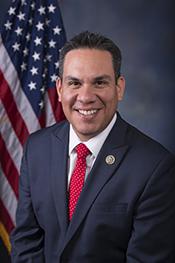
Pete Aguilar
DemocratCA-33 · Representative
In the 2024 House race for CA-33, Pete Aguilar (D) defeated Tom Herman (R) 58.8% to 41.2%. Pete Aguilar received 137,197 votes compared to 96,078 for Tom Herman, a comfortable 17.6-point margin indicating a moderately safe district.
As the incumbent, Pete Aguilar benefited from name recognition, established constituent services, and the roughly 2-3 point advantage that sitting members typically enjoy. The 2024 presidential election drove higher voter turnout, which can help or hurt down-ballot candidates depending on the top of the ticket.
In the 2022 House race for CA-33, Pete Aguilar (D) defeated John Mark Porter (R) 57.7% to 42.3%. Pete Aguilar received 76,588 votes compared to 56,119 for John Mark Porter, a comfortable 15.4-point margin indicating a moderately safe district.
This was an open-seat race with no incumbent running — Ted W. Lieu (D) previously held the seat. Open seats typically attract stronger candidates and heavier spending from both parties. As a Democrat, Pete Aguilar won despite the historical midterm penalty against the president's party (Democrat Biden was in office).
In the 2018 House race for CA-31, Pete Aguilar (D) defeated Sean Flynn (R) 58.7% to 41.3%. Pete Aguilar received 220,286 votes compared to 154,704 for Sean Flynn, a comfortable 17.5-point margin indicating a moderately safe district.
As the incumbent, Pete Aguilar benefited from name recognition, established constituent services, and the roughly 2-3 point advantage that sitting members typically enjoy. As a Democrat, Pete Aguilar benefited from the historical midterm penalty against the president's party — with a Republican in the White House, the opposition typically gains seats.
In the 2016 House race for CA-31, Pete Aguilar (D) defeated Paul Chabot (R) 56.1% to 43.9%. Pete Aguilar received 121,070 votes compared to 94,866 for Paul Chabot, a comfortable 12.1-point margin indicating a moderately safe district.
As the incumbent, Pete Aguilar benefited from name recognition, established constituent services, and the roughly 2-3 point advantage that sitting members typically enjoy. The 2016 presidential election drove higher voter turnout, which can help or hurt down-ballot candidates depending on the top of the ticket.
In the 2014 House race for CA-31, Pete Aguilar (D) defeated Paul Chabot (R) 51.7% to 48.3%. Pete Aguilar received 51,622 votes compared to 48,162 for Paul Chabot, a narrow 3.5-point margin that would have flipped with a small shift in turnout or persuasion.
This race flipped the seat from Republican to Democrat. Gary G. Miller (R) held the seat previously but either retired or lost in a primary. Party flips at the seat level are relatively rare and often signal shifting district dynamics. As a Democrat, Pete Aguilar won despite the historical midterm penalty against the president's party (Democrat Obama was in office).