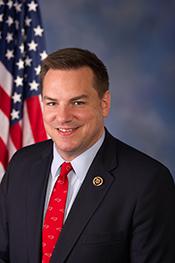
Richard Hudson
RepublicanNC-9 · Representative
In the 2024 House race for NC-9, Richard Hudson (R) won with 56.3% of the vote, defeating Nigel William Bristow (D) who received 37.8%. A third candidate also appeared on the ballot. Richard Hudson's 18.5-point advantage over the runner-up confirmed a comfortable win.
As the incumbent, Richard Hudson benefited from name recognition, established constituent services, and the roughly 2-3 point advantage that sitting members typically enjoy. The 2024 presidential election drove higher voter turnout, which can help or hurt down-ballot candidates depending on the top of the ticket.
In the 2022 House race for NC-9, Richard Hudson (R) defeated Ben Clark (D) 56.5% to 43.5%. Richard Hudson received 131,453 votes compared to 101,202 for Ben Clark, a comfortable 13.0-point margin indicating a moderately safe district.
This was an open-seat race with no incumbent running — Dan Bishop (R) previously held the seat. Open seats typically attract stronger candidates and heavier spending from both parties. As a Republican, Richard Hudson benefited from the historical midterm penalty against the president's party — with a Democrat in the White House, the opposition typically gains seats.
In the 2018 House race for NC-08, Richard Hudson (R) defeated Frank Mcneill (D) 55.3% to 44.7%. Richard Hudson received 141,402 votes compared to 114,119 for Frank Mcneill, a comfortable 10.7-point margin indicating a moderately safe district.
As the incumbent, Richard Hudson benefited from name recognition, established constituent services, and the roughly 2-3 point advantage that sitting members typically enjoy. As a Republican, Richard Hudson won despite the historical midterm penalty against the president's party (Republican Trump was in office).
In the 2016 House race for NC-08, Richard Hudson (R) defeated Thomas Mills (D) 58.8% to 41.2%. Richard Hudson received 189,863 votes compared to 133,182 for Thomas Mills, a comfortable 17.5-point margin indicating a moderately safe district.
As the incumbent, Richard Hudson benefited from name recognition, established constituent services, and the roughly 2-3 point advantage that sitting members typically enjoy. The 2016 presidential election drove higher voter turnout, which can help or hurt down-ballot candidates depending on the top of the ticket.
In the 2014 House race for NC-08, Richard Hudson (R) defeated Antonio Blue (D) 64.9% to 35.1%. Richard Hudson received 121,568 votes compared to 65,854 for Antonio Blue, a dominant 29.7-point margin reflecting a safely partisan district.
As the incumbent, Richard Hudson benefited from name recognition, established constituent services, and the roughly 2-3 point advantage that sitting members typically enjoy. As a Republican, Richard Hudson benefited from the historical midterm penalty against the president's party — with a Democrat in the White House, the opposition typically gains seats.
In the 2012 House race for NC-08, Richard Hudson (R) defeated Larry Kissell (D) 53.2% to 45.4%. Richard Hudson received 160,695 votes compared to 137,139 for Larry Kissell, a 7.8-point margin that indicates a genuinely contested race.
This was an open-seat race. Open seats typically attract stronger candidates and heavier spending from both parties. The 2012 presidential election drove higher voter turnout, which can help or hurt down-ballot candidates depending on the top of the ticket.