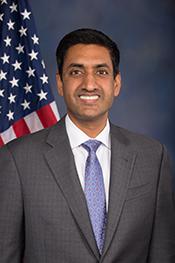
Ro Khanna
DemocratCA-17 · Representative
In the 2024 House race for CA-17, Ro Khanna (D) defeated Anita Chen (R) 67.7% to 32.3%. Ro Khanna received 172,462 votes compared to 82,415 for Anita Chen, a dominant 35.3-point margin reflecting a safely partisan district.
As the incumbent, Ro Khanna benefited from name recognition, established constituent services, and the roughly 2-3 point advantage that sitting members typically enjoy. The 2024 presidential election drove higher voter turnout, which can help or hurt down-ballot candidates depending on the top of the ticket. The wide margin suggests this district is firmly in the Democrat column for the foreseeable future.
In the 2022 House race for CA-17, Ro Khanna (D) defeated Ritesh Tandon (D) 70.9% to 29.1%. Ro Khanna received 127,853 votes compared to 52,400 for Ritesh Tandon, a dominant 41.9-point margin reflecting a safely partisan district.
As the incumbent, Ro Khanna benefited from name recognition, established constituent services, and the roughly 2-3 point advantage that sitting members typically enjoy. As a Democrat, Ro Khanna won despite the historical midterm penalty against the president's party (Democrat Biden was in office). The wide margin suggests this district is firmly in the Democrat column for the foreseeable future.
In the 2020 House race for CA-17, Ro Khanna (D) defeated Ritesh Tandon (R) 71.3% to 28.6%. Ro Khanna received 212,137 votes compared to 85,199 for Ritesh Tandon, a dominant 42.7-point margin reflecting a safely partisan district.
As the incumbent, Ro Khanna benefited from name recognition, established constituent services, and the roughly 2-3 point advantage that sitting members typically enjoy. The 2020 presidential election drove higher voter turnout, which can help or hurt down-ballot candidates depending on the top of the ticket. The wide margin suggests this district is firmly in the Democrat column for the foreseeable future.
In the 2018 House race for CA-17, Ro Khanna (D) defeated Ron Cohen (R) 75.3% to 24.6%. Ro Khanna received 318,210 votes compared to 104,114 for Ron Cohen, a dominant 50.7-point margin reflecting a safely partisan district.
As the incumbent, Ro Khanna benefited from name recognition, established constituent services, and the roughly 2-3 point advantage that sitting members typically enjoy. As a Democrat, Ro Khanna benefited from the historical midterm penalty against the president's party — with a Republican in the White House, the opposition typically gains seats.
In the 2016 House race for CA-17, Ro Khanna (D) defeated Michael M. Honda (D) 61.0% to 39.0%. Ro Khanna received 142,268 votes compared to 90,924 for Michael M. Honda, a dominant 22.0-point margin reflecting a safely partisan district.
Ro Khanna defeated the incumbent Michael M. Honda (D), which is a significant political event — most incumbents win re-election by wide margins. This was a primary upset. The 2016 presidential election drove higher voter turnout, which can help or hurt down-ballot candidates depending on the top of the ticket.
In the 2014 House race for CA-17, Michael M. Honda (D) defeated Ro Khanna (D) 51.8% to 48.3%. Michael M. Honda received 69,561 votes compared to 64,847 for Ro Khanna, a narrow 3.5-point margin that would have flipped with a small shift in turnout or persuasion.
As the incumbent, Michael M. Honda benefited from name recognition, established constituent services, and the roughly 2-3 point advantage that sitting members typically enjoy. As a Democrat, Michael M. Honda won despite the historical midterm penalty against the president's party (Democrat Obama was in office).